Reiki & Energy Healing: Unlock Your Life Force
Reiki, Energy Healing, Holistic Wellness, Spiritual Healing
Reiki & Energy Healing: Unlocking the Life Force Within
Reiki is more than a relaxing experience; it is a gentle yet powerful energy healing practice that supports the body’s natural ability to restore balance. For those drawn to holistic wellness and spiritual healing, Reiki offers a grounded, accessible way to connect with the life force within and cultivate harmony on every level of being.

What Is Reiki? Tracing Its Origins in Japan
Reiki (pronounced “ray-key”) is a Japanese energy healing modality that translates to “universal life force energy.” The word is composed of Rei, meaning universal or spiritual wisdom, and Ki, meaning life force. This same vital energy is known as Chi in Chinese traditions and Prana in yogic philosophy. Reiki as it is commonly practiced today was developed in the early 20th century by Mikao Usui in Japan, who sought a method of healing that supported the whole person—body, mind, and spirit.
Usui’s approach emphasized spiritual development as much as physical wellbeing. Reiki was traditionally passed from teacher to student through direct initiation, with a focus on living in alignment with simple ethical principles such as gratitude, kindness, and presence. Over time, Reiki spread from Japan to the West and is now practiced worldwide in homes, wellness centers, and even hospitals as a complementary therapy that supports holistic wellness and stress reduction.
Understanding Life Force Energy (Ki/Chi) in the Body
In Reiki and many energy healing traditions, health is viewed as a state of freely flowing life force energy, or Ki energy. This subtle current moves through and around the body, nourishing organs, tissues, and the energetic field. When Ki flows smoothly, we tend to feel vital, centered, and resilient. When it becomes stagnant, depleted, or over-stimulated, we may experience fatigue, tension, emotional overwhelm, or a sense of disconnection from ourselves.
Reiki practitioners work by gently channeling universal life force through their hands to the recipient. Rather than forcing or directing energy, the practitioner serves as a conduit, allowing the body’s innate wisdom to draw in what it needs. This process encourages the release of energetic blockages and supports a more balanced, harmonious flow of Ki throughout the entire system.
The 7 Chakras and Reiki’s Role in Clearing Blockages
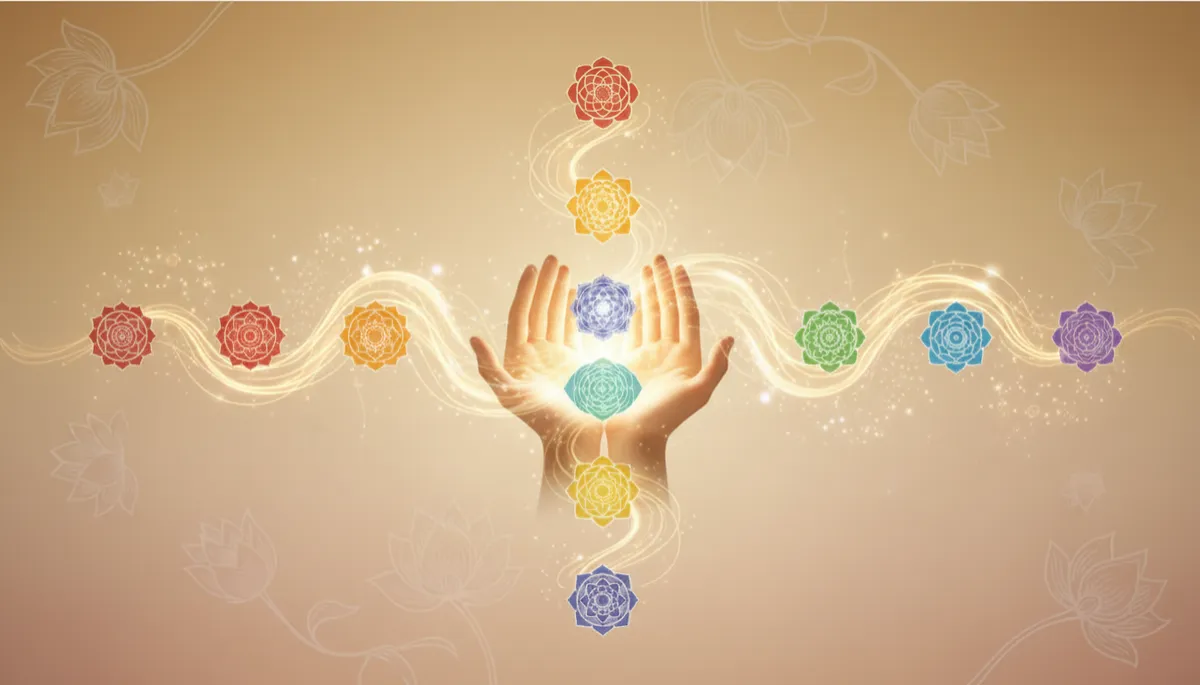
Many Reiki practitioners incorporate the chakra system—seven primary energy centers along the spine—into their energy healing work. Each chakra correlates with specific physical organs and emotional or spiritual themes:
- Root (Muladhara): Safety, grounding, basic needs
- Sacral (Svadhisthana): Creativity, pleasure, emotional flow
- Solar Plexus (Manipura): Personal power, confidence, digestion of life experiences
- Heart (Anahata): Love, compassion, connection
- Throat (Vishuddha): Authentic expression, truth, communication
- Third Eye (Ajna): Intuition, insight, clarity of mind
- Crown (Sahasrara): Spiritual connection, higher consciousness
When energy becomes blocked or imbalanced in any of these centers, we may notice related physical symptoms or emotional patterns. Reiki gently addresses these blockages by encouraging Ki to flow more freely through the chakras. Recipients often report feeling warmth, tingling, or a sense of spaciousness in areas where energy has begun to move again, along with a greater sense of alignment and inner coherence.
Physical, Emotional, and Spiritual Benefits of Reiki Healing
While individual experiences vary, many people seek Reiki for its whole-person benefits. On a physical level, Reiki is known to promote deep relaxation, which can support the body’s natural healing responses. This may help ease muscle tension, improve sleep, and reduce the impact of stress on the nervous system. Some recipients notice shifts in chronic discomfort or a greater sense of vitality over time as energy balance is restored.
Emotionally, Reiki can create a safe, nurturing space for feelings to surface and gently release. Many people report feeling calmer, more centered, and less reactive after sessions. Old emotional patterns may soften, making room for self-compassion and clarity. On a spiritual level, Reiki often deepens a sense of connection—to oneself, to others, and to something greater. This can manifest as renewed purpose, intuitive insight, or a quiet, steady inner peace that supports ongoing spiritual healing and growth.

Gentle hand placements over the chakras support emotional release and inner balance.
What to Expect During a Reiki Session
A typical Reiki session takes place in a quiet, comfortable setting. You remain fully clothed and may be lying on a massage table or seated in a chair. After a brief conversation about your intentions or areas of focus, the practitioner will invite you to relax, close your eyes, and simply breathe. They will then place their hands lightly on or just above different areas of the body, often following the chakras or specific energy points.
Sensations during Reiki can range from warmth, tingling, and gentle pulsing to a sense of floating, heaviness, or deep stillness. Some people see colors or images, while others simply feel very relaxed. There is no “right” way to experience energy healing; your body and energy field receive what they need in the moment. After the session, you may feel peaceful, refreshed, or occasionally emotional as your system continues to integrate the shifts. Drinking water, resting, and noticing subtle changes over the following days can help you honor the process.
Beginning a Self-Reiki Practice at Home
While formal Reiki training is recommended for deeper study, you can begin a simple self-Reiki–inspired practice at home to connect with your life force and support everyday balance. Start by choosing a quiet space where you feel safe and undisturbed. Sit or lie down comfortably, and take several slow, deep breaths—inhale through the nose, exhale through the mouth—allowing your body to soften with each breath.
Set a clear, gentle intention for your practice, such as “I invite healing and balance into my body and energy” or “May I be calm, grounded, and open to receive.” Then begin placing your hands lightly on different areas of your body, pausing for a few minutes at each position. Common hand placements include:
- Hands over the eyes and forehead (third eye and mind)
- Hands at the back of the head (nervous system and mental release)
- Hands on the throat (expression and communication)
- Hands over the heart (emotional healing and compassion)
- Hands on the upper abdomen (solar plexus, personal power)
- Hands on the lower belly (sacral, creativity and flow)
- Hands over the hips or thighs (root, grounding and stability)
As you rest your hands, keep your breath smooth and natural. Notice any sensations—warmth, pulsing, or emotion—without judgment. Even a 10–15-minute self-Reiki practice can become a nurturing daily ritual that strengthens your connection to your own Ki energy and supports ongoing holistic wellness.
Enhancing Reiki with Crystals, Essential Oils, and Meditation
Many practitioners enjoy weaving complementary tools into their Reiki practice to deepen relaxation and intention. Crystals can be placed on or around the body to resonate with specific chakras—for example, amethyst at the third eye for intuition, rose quartz at the heart for compassion, or smoky quartz near the feet for grounding. While crystals do not replace the life force itself, they can serve as supportive allies, helping to focus and stabilize the energy field.
Essential oils also pair beautifully with Reiki. A few drops of lavender, frankincense, or cedarwood in a diffuser can signal to the nervous system that it is safe to relax, making it easier to receive the benefits of energy healing. Always choose high-quality oils and dilute them properly if applying to the skin. Finally, a simple meditation—such as focusing on the breath, repeating a calming affirmation, or visualizing soft golden light flowing through each chakra—can prepare your mind and heart to engage more fully with the Reiki experience.
Begin Your Energy Healing Journey with Earth Flower Life
Reiki invites you to remember that you are not separate from the life force; you are an expression of it. By working with Ki energy, the chakras, and simple daily practices, you can cultivate a deeper relationship with your body, emotions, and spirit. Whether you are just beginning to explore energy healing or are already a seasoned spiritual practitioner, each session and self-practice is an opportunity to listen more closely to your inner wisdom.
At Earth Flower Life, our mission is to support your holistic wellness journey with tools that honor both the seen and unseen aspects of healing. From crystals and aromatherapy blends to meditation supports and ritual accessories, our offerings are curated to complement your Reiki practice and help you create sacred space wherever you are.
If you feel called to deepen your connection with your life force and nurture your energy field, we invite you to explore Earth Flower Life’s holistic wellness collection. Discover calming tools, grounding allies, and luminous accents designed to enhance your Reiki sessions and self-care rituals—so you can unlock the healing power that has always lived within you.

