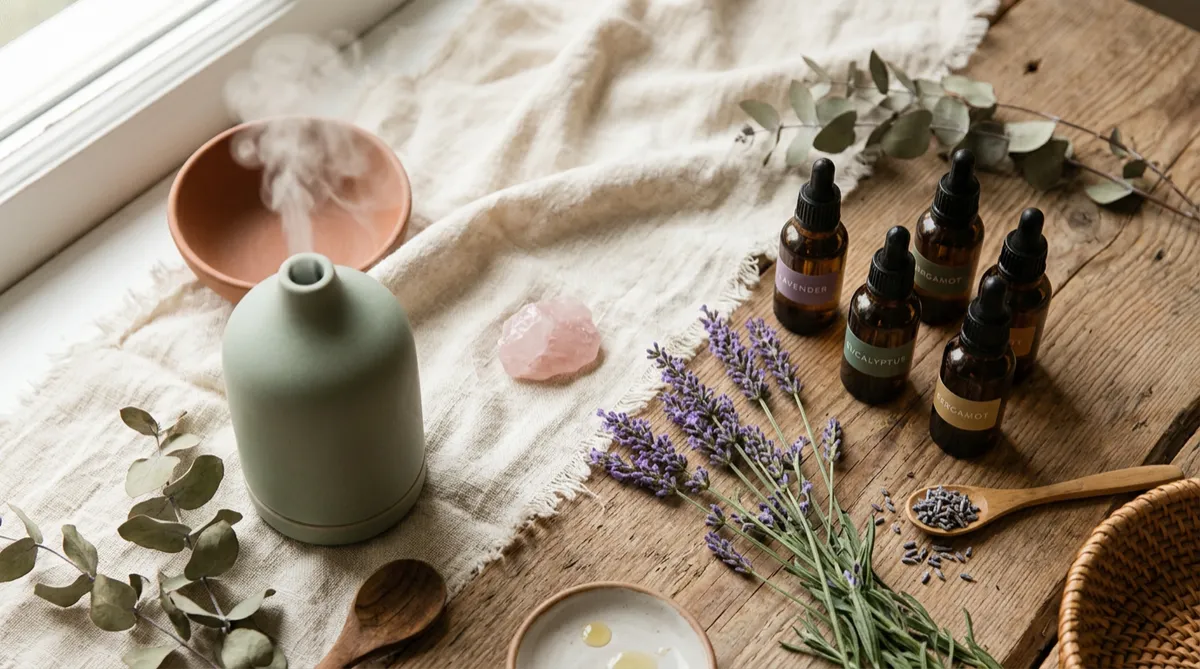
Aromatherapy for Emotional Balance: A Practical Guide to Using Essential Oils with Intention
Aromatherapy for Emotional Balance: A Practical Guide to Using Essential Oils with Intention
Scent is the most direct of our senses. Unlike sight or sound, which are processed through several relay stations in the brain, aroma travels along the olfactory nerve to regions closely tied to emotion and memory. This is why a whiff of fresh-cut grass can transport you to childhood, and why a single breath of lavender can feel like a signal to slow down.
For centuries, cultures around the world have used aromatic plants in ritual, medicine and daily life. Today, aromatherapy offers a structured, accessible way to bring that wisdom into modern routines. This guide covers how aromatherapy works, which essential oils are commonly chosen for specific emotional needs, how to use them safely, and how to build a practice you can sustain.
What Aromatherapy Is, and What It Is Not
Aromatherapy is the intentional use of aromatic plant extracts, most often essential oils, to support well-being. Essential oils are concentrated compounds, typically obtained by steam distillation or cold pressing of flowers, leaves, bark, resin or citrus peel. A single drop can contain the aromatic essence of a surprisingly large amount of plant material.
It is worth being precise about the claims. Aromatherapy is a complementary practice. Research suggests that certain aromas may support relaxation and a sense of calm, and many people find the experience genuinely comforting. It is not a replacement for medical care, and essential oils should never be presented as a cure for any condition. Think of aromatherapy as one supportive layer in a broader approach to wellness that includes rest, nourishment, movement and connection.
How Scent Influences Mood
When you inhale an aroma, volatile molecules reach receptors in the nose, which send signals to the olfactory bulb and onward to the limbic system, the part of the brain involved in emotion, memory and the stress response. This pathway helps explain why scent can shift how we feel so quickly, often before we have consciously identified the smell.
Personal association matters just as much as plant chemistry. An aroma tied to a calming memory will tend to feel calming to you. For that reason, the best essential oil is not necessarily the one a book recommends, but the one that genuinely feels good when you breathe it in.
Essential Oils Commonly Chosen for Emotional Support
The following oils are widely used in aromatherapy practice. Treat these as starting points for exploration rather than prescriptions.
- Lavender: Soft, floral and herbaceous. A classic choice for evening wind-down routines and moments of tension.
- Bergamot: Bright and gently citrusy. Often chosen when you want a lighter, more uplifted atmosphere. Note that cold-pressed bergamot can be photosensitizing on skin.
- Sweet orange: Warm, sunny and familiar. A cheerful option for shared spaces and morning routines.
- Frankincense: Resinous, woody and grounding. Traditionally used in meditation and ceremony to encourage stillness.
- Cedarwood: Deep and earthy. Many people reach for it when they want to feel anchored and steady.
- Eucalyptus and peppermint: Crisp and clarifying. Popular for mental freshness during focused work or when the air feels heavy.
- Ylang ylang and rose: Rich, sweet florals associated with softness and heart-centered reflection.
Safe and Effective Methods of Use
Essential oils are potent, and good practice begins with respect for that potency. The three most common methods are listed below.
1. Diffusion
An ultrasonic diffuser disperses a fine mist of water and aroma into a room. Use a few drops, run it intermittently rather than continuously, and keep the space ventilated. Shorter sessions of thirty to sixty minutes are generally sufficient.
2. Topical application
Essential oils must be diluted in a carrier oil such as jojoba, sweet almond or fractionated coconut before touching the skin. A common general guideline for adults is roughly one to two percent dilution, which equals about six to twelve drops of essential oil per ounce of carrier oil. Always perform a patch test on a small area first and discontinue use if irritation occurs.
3. Personal inhalation
Place one or two drops on a tissue, a cotton pad or a wooden bead and breathe slowly. This is a discreet, low-intensity method that works well at a desk or while traveling.
Important safety considerations
- Never ingest essential oils unless directed by a qualified professional.
- Consult a healthcare provider before use if you are pregnant, nursing, managing a medical condition or taking medication.
- Use extra caution around children and keep oils out of reach. Many oils are not appropriate for young children.
- Cats, dogs and other pets can be highly sensitive to certain oils. Research pet safety before diffusing in a shared home.
- Store oils in dark glass bottles, away from heat and sunlight, and keep caps tightly closed.
Building an Aromatherapy Practice Around Your Day
Consistency, more than quantity, is what turns a pleasant scent into a meaningful ritual. Linking aroma to a specific time and activity helps your mind learn the cue.
- Morning: Diffuse sweet orange or peppermint while you stretch, journal or prepare your day. Pair it with three slow breaths before you pick up your phone.
- Midday reset: Keep a small bottle of eucalyptus or bergamot at your workspace. Take a mindful inhale between tasks to mark a transition.
- Evening wind-down: Diffuse lavender or cedarwood an hour before bed, dim the lights and put screens away.
- Meditation or reflection: Reserve frankincense for your quiet time so the scent becomes a trusted doorway into stillness.
Pairing aroma with other supportive elements deepens the experience. A warm cup of herbal tea, a few minutes of breathwork, or a favorite crystal held in your palm can turn a simple scent into a complete sensory ritual.
Choosing Quality Oils
Quality varies widely in the essential oil market. Look for products that list the plant's Latin name, the plant part used and the country of origin. Reputable suppliers are transparent about their sourcing and testing. Be cautious of oils labeled as fragrance or perfume oil, which are synthetic and do not offer the same plant-derived experience. Unusually low prices for oils that are expensive to produce, such as rose, can also signal dilution or adulteration.
A Simple Starter Blend to Try
If you are new to aromatherapy, begin with a gentle, balanced combination for your diffuser: three drops of lavender, two drops of sweet orange and one drop of frankincense. Notice how the blend evolves, how your breathing changes and how your body responds. Keep brief notes for a week. Over time you will learn which aromas resonate with you and refine your own signature blends.
Bringing It Together
Aromatherapy is ultimately an invitation to pay attention. Each time you choose an aroma with intention, you pause, breathe and check in with yourself. That small moment of awareness is where much of its value lies. Start simply, use oils safely, and let your own experience guide you toward the scents that help you feel centered.
Continue Your Wellness Journey with Earth Flower Life
Ready to build a more intentional daily ritual? Explore the Earth Flower Life collection of natural wellness essentials, from botanical care to crystals and ritual tools, and discover pieces that support the way you want to feel. Visit our shop today, and share in the comments which aroma helps you feel most balanced. We would love to hear your favorite blends.
This article is for educational purposes only and is not intended to diagnose, treat, cure or prevent any condition. Consult a qualified healthcare professional before beginning any new wellness practice.

